
How a Compact Crawler Crane Works
How a Compact Crawler Crane Actually Works
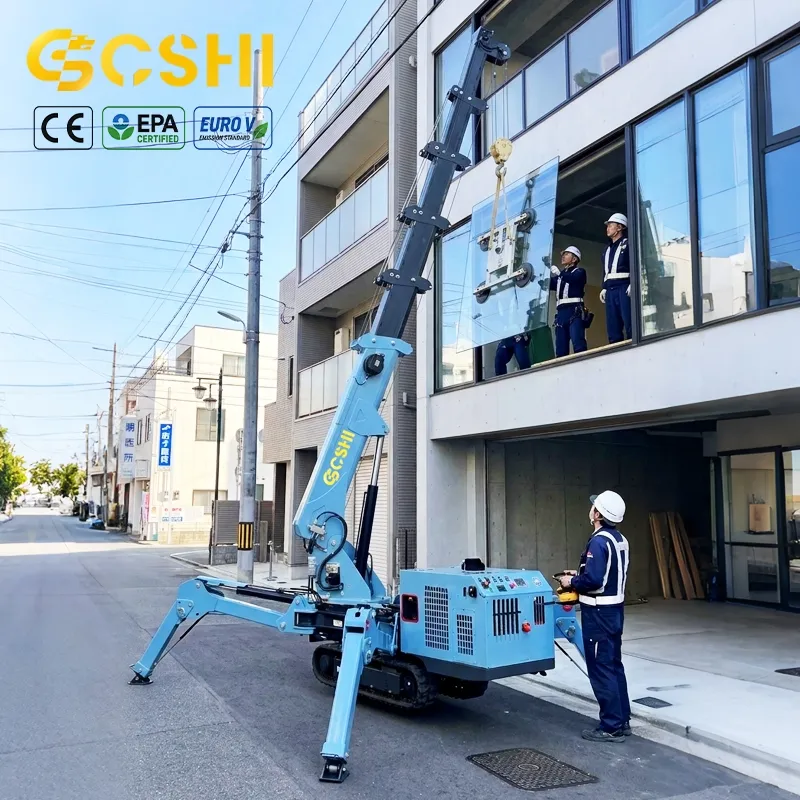
At first glance a spider crane looks a little odd — a small tracked body, a long folding boom, four thin legs splayed like the insect it's named after, nothing like the big truck cranes most people picture. Yet this compact machine calmly lifts a sheet of glass inside a finished building or sets a steel beam where no ordinary crane could stand. To see how, forget the spec sheet and walk around it part by part.## The Crawler Base: Tracks Instead of Wheels
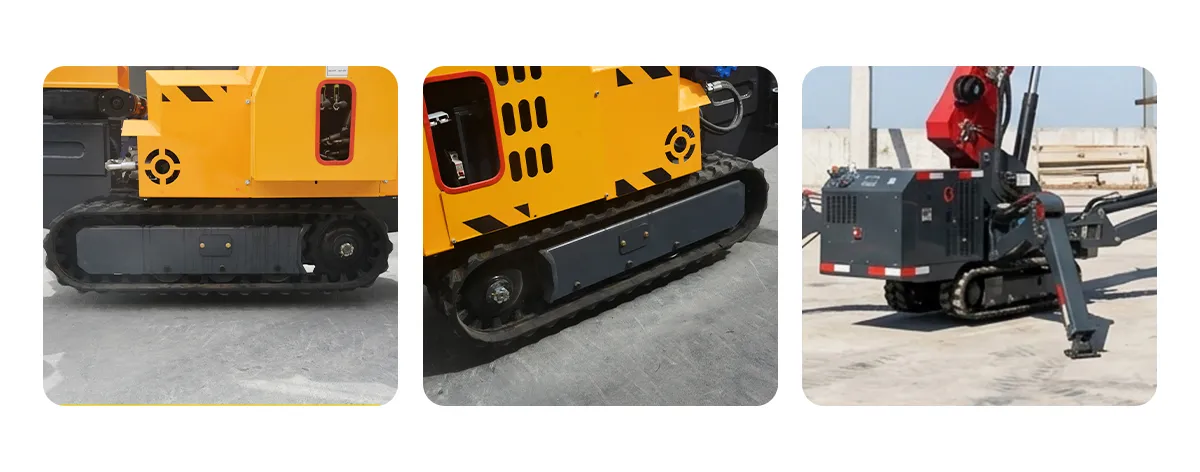
Everything starts low, at the tracked undercarriage. Wheels need a flat, firm surface; rubber tracks spread weight across a far larger contact patch, so the machine crosses gravel, lawn, grating, unfinished slabs, and small curbs without sinking. The base is narrow and low, keeping the centre of gravity down and letting it fold small enough to pass a doorway or freight elevator. It travels slowly on purpose — a positioning tool, not a road vehicle — creeping into the exact spot a lift needs.
The Outriggers: Where the "Spider" Name Comes From
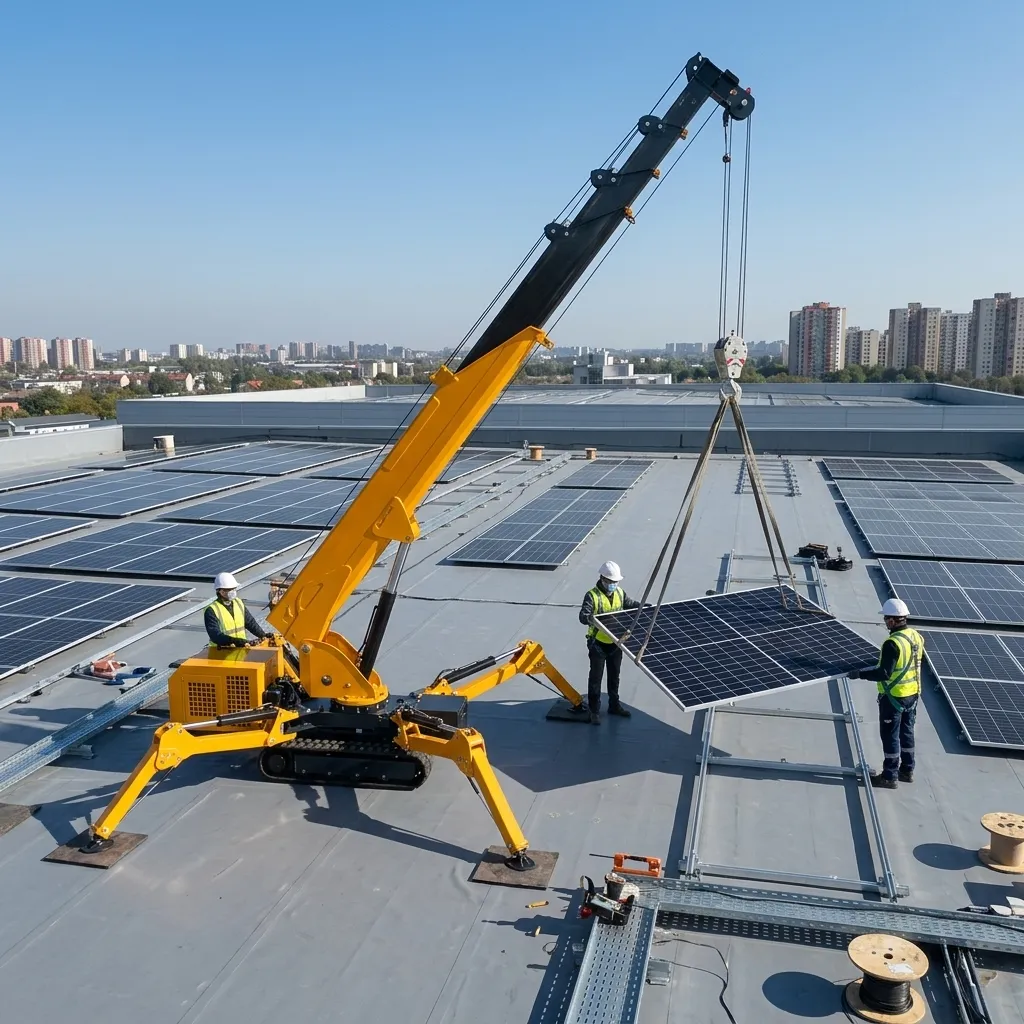
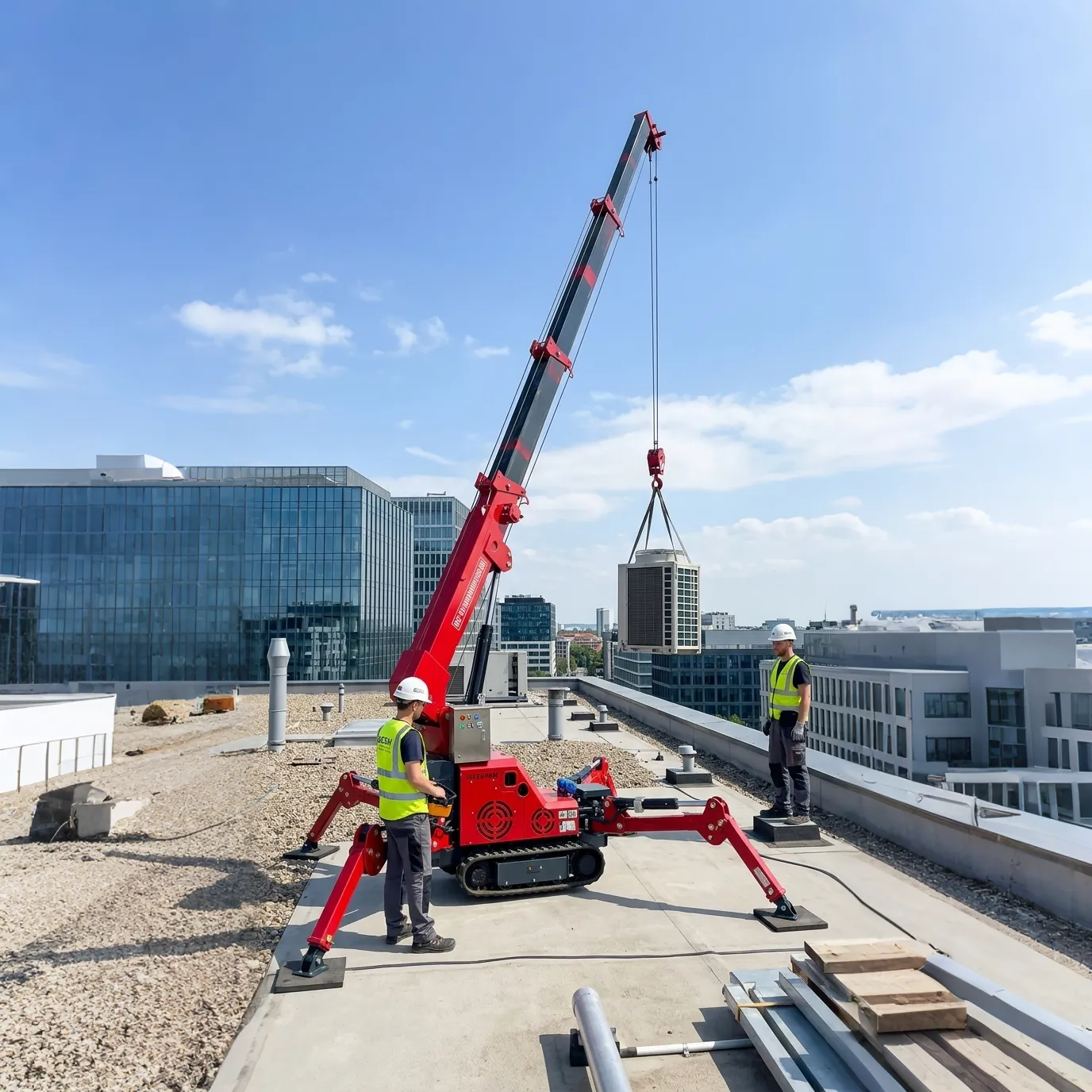
The four extendable legs are the feature everyone remembers. They tuck in tight while moving; once parked, each swings and telescopes out, then a hydraulic foot pads down. This is when the machine stops being a small vehicle and becomes a stable platform. The legs work independently, so the operator levels it on a slope, step, or uneven floor by setting each foot to its own height. Once set, the load isn't carried by the tracks — the legs form a wide four-cornered base that resists the tipping force of a load off the boom.## The Telescopic Boom: Reach That Folds Away
The boom is the arm that does the lifting. Rather than a fixed jib, it's several sections nested inside one another, like a telescope. Hydraulic cylinders push sections out for reach and pull them back for strength — a short, retracted boom lifts more close in, an extended one reaches high or over an obstacle. A luffing action raises and lowers the whole boom, so the operator combines angle, extension, and slewing to place a load precisely.
Slewing: Turning the Whole Upper Body
On a turntable between base and boom sits the slewing structure — the shoulder that lets the entire upper carriage, boom and all, rotate in a full circle. Once the legs are set, the crane doesn't reposition to reach every side; it swings the load from the pick point, around, onto its setting point. Smooth slewing lets one setup handle a whole room or facade, not just the spot in front.
Hydraulics: The Quiet Force Behind Every Movement
Tracks, legs, boom, slewing, and winch all run on hydraulics. Hydraulic power is dense — a small cylinder moves a heavy load — yet highly controllable. By feathering the levers, an operator can inch a glass panel a few millimetres at a time or hold a beam steady while someone bolts it. One system gives both the force to lift and the finesse to nudge.## Two Power Sources in One Machine
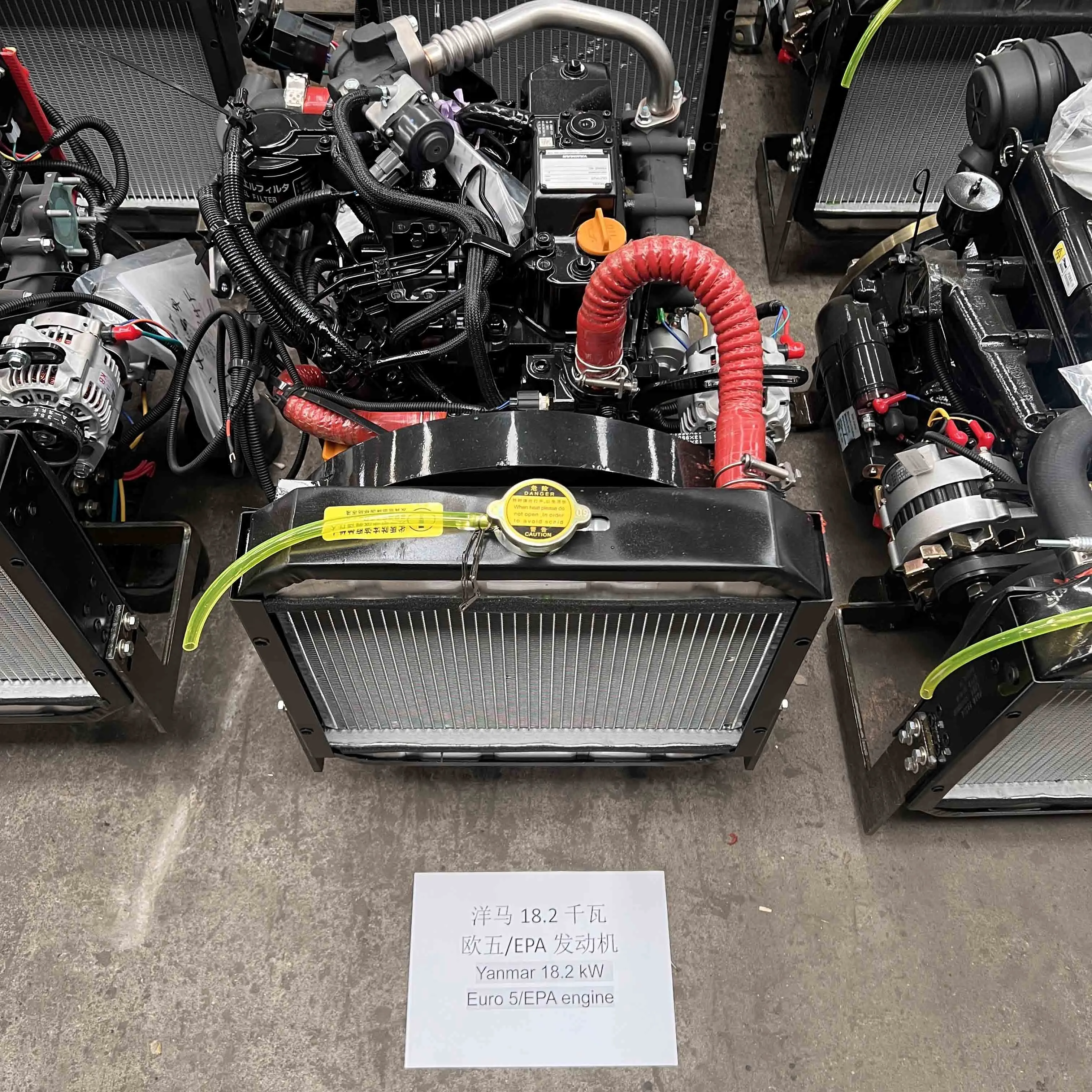
CSHI spider cranes are dual-power, one of the smartest bits of the design. Indoors — an occupied building, basement, mall, or plant where fumes aren't acceptable — it plugs into mains electric and runs clean and quiet, no exhaust. Outdoors, on a greenfield site or where power isn't available, it switches to diesel, independent of any socket. One machine, two hearts, so you don't move separate units between indoor and outdoor work.

The Controls: Operating From the Best Vantage Point
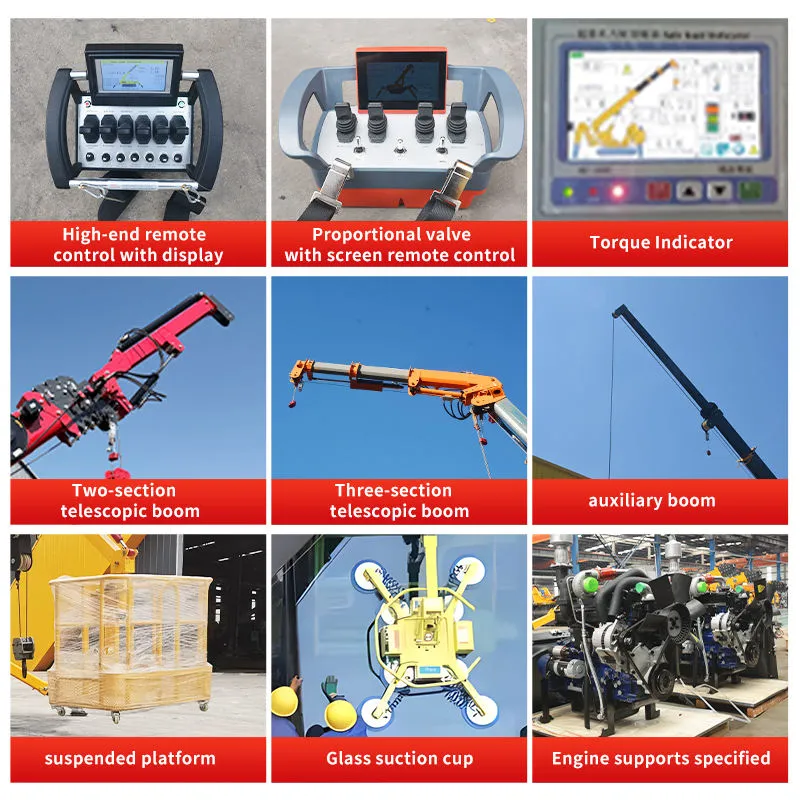
These machines run by wireless remote, freeing the operator from a fixed cab. Instead of sitting on one side guessing at a load behind a column, the operator walks to wherever the view is clearest — beside the glazing opening, near the set point, up on the receiving floor. Direct sightlines plus featherable hydraulics make it precise, not clumsy, in tight quarters.
Hook, Rope and Quick-Change Attachments
At the business end, a wire rope runs from the winch along the boom to the hook block — and that hook is just the start, since the machine swaps what hangs below it to match the work. A vacuum lifter handles glass and polished stone without slings; a man basket turns it into an access platform; a fly jib or auxiliary boom reaches over parapets and obstacles. The base, legs, and boom stay the same while the "hand" changes — one crane becomes several tools.
How It All Comes Together on Site
Watch a full cycle and the logic clicks. The machine folds narrow and tracks in; parks, swings out and lowers its four legs, and levels itself; the boom raises, extends, and slews to the load; hydraulics lift and place it with millimetre control, often by remote; then everything retracts and it moves on. No single part is exotic, but the packaging — narrow tracked base, independent spider legs, telescoping and slewing boom, dual electric-and-diesel power, swappable attachments — is what lets such a small machine take on lifts that used to demand something far larger. That's the idea behind a CSHI spider crane.
 Spider Crane for Solar Panel Installation: Rooftop Lifting
 Spider Crane Common Faults & Troubleshooting Guide for M
 How to Choose Spider Crane Optional Attachments (Full Guide)
 How to Lift an HVAC Unit to a Roof with a Spider Crane