
Best Spider Crane for Glass Installation: How to Choose the Right Mini Crane
A spider crane is a compact lifting machine designed for construction, installation, maintenance, and material handling where working space is limited. Also known as a mini spider crane or mini crawler crane, it combines a narrow crawler chassis, hydraulic outriggers, and a flexible boom to provide stable and precise lifting in difficult locations.
With growing demand for compact lifting equipment, spider cranes are increasingly used in construction sites, glass installation, steel erection, roofing, landscaping, industrial maintenance, and indoor lifting projects.
What Is a Spider Crane?
A spider crane is a small mobile crane with a compact body and multiple hydraulic outriggers. The crawler tracks allow the machine to move through narrow entrances and across different jobsite surfaces. Once positioned, the outriggers extend to provide stability during lifting.
Compared with conventional mobile cranes, spider cranes require less space and can access areas that larger cranes cannot easily reach. This makes them particularly useful for narrow-space lifting, renovation projects, and indoor construction.
Main Applications of Spider Cranes
Glass Installation
Spider cranes are widely used for lifting and positioning large glass panels. When combined with a vacuum glass lifter, they can carefully move glass for curtain walls, windows, skylights, and atriums.
Their compact dimensions are especially useful for projects where large cranes cannot enter the building or work close to the façade.
Roof and Building Lifting
A spider crane can lift steel beams, glass, HVAC equipment, construction materials, and other components to rooftops and upper floors.
Its small footprint makes it suitable for residential buildings, commercial properties, renovation projects, and construction sites with limited setup space.
Steel Erection
Compact cranes can lift and position steel beams, columns, frames, and other structural components. They are useful for warehouses, factories, building extensions, and smaller steel construction projects.
Indoor Lifting
Electric spider cranes are suitable for selected indoor applications because they can operate without direct diesel exhaust. They can be used in factories, workshops, shopping centers, warehouses, and other buildings where access is restricted.
Landscaping and Tree Work
A mini crane for landscaping can lift mature trees, large stones, marble slabs, planters, and other heavy landscaping materials. Its narrow crawler chassis allows it to access gardens and residential properties that may be inaccessible to standard cranes.
Industrial Maintenance
Spider cranes can assist with machinery installation, equipment replacement, pipe work, factory maintenance, and other industrial lifting tasks where space around the equipment is limited.
Key Benefits of a Spider Crane
Compact Size: A narrow body allows access through restricted entrances and confined work areas.
Flexible Operation: Hydraulic boom and outrigger systems provide precise load positioning.
Crawler Mobility: Tracks allow the crane to move around construction sites without requiring a large road-going carrier.
Stable Lifting: Hydraulic outriggers provide a wider support base during lifting operations.
Indoor and Outdoor Applications: Depending on the model and power system, spider cranes can work in buildings as well as outdoor construction areas.
Remote Control: Many modern models use remote control, allowing operators to maintain a clear view of the load and working area.
Spider Crane vs. Traditional Crane
Traditional mobile cranes are ideal for large open construction sites and high-capacity lifting. However, their size can make transportation and positioning difficult in narrow areas.
A spider crane is designed for a different purpose. It focuses on compact access, flexible setup, and precise lifting.
For projects involving narrow entrances, limited working space, indoor installation, glass lifting, rooftop work, or renovation, a spider crane can be a more practical choice.
How to Choose a Spider Crane
Before selecting a spider crane, consider several key factors:
Lifting Capacity: Determine the maximum load and check the rated load chart for the required working radius.
Machine Width: Measure the narrowest entrance, gate, corridor, or passageway.
Lifting Height: Check the required height for roofs, upper floors, glass façades, or other elevated positions.
Working Radius: The lifting capacity changes according to the distance between the crane and the load.
Power Source: Electric models can be suitable for indoor applications, while other power options may be better for outdoor projects.
Ground Conditions: Check the ground bearing capacity and surface condition before deploying the outriggers.
Spider Crane Safety
A spider crane is professional lifting equipment and must be operated by trained personnel. Before operation, check the load weight, lifting radius, ground conditions, outriggers, wire rope, hook, hydraulic system, and lifting accessories.
Always follow the manufacturer's load chart, operating instructions, and local safety regulations. Never exceed the rated capacity or allow personnel to stand under a suspended load.
Frequently Asked Questions
What is a spider crane used for?
Spider cranes are used for glass installation, roof lifting, steel erection, indoor construction, landscaping, tree work, industrial maintenance, and other lifting tasks in restricted spaces.
Can a spider crane work indoors?
Yes. Electric spider cranes are commonly suitable for indoor lifting when the building's floor capacity, ventilation, access, and working conditions meet the machine requirements.
Can a spider crane lift glass?
Yes. A spider crane can work with a vacuum glass lifter to lift and position large glass panels for windows, curtain walls, skylights, and façades.
How narrow can a spider crane go?
The minimum access width depends on the model. Mini spider cranes are designed specifically for restricted-access projects, but the machine's transport width should always be compared with the narrowest site entrance.
Is a spider crane suitable for construction?
Yes. Spider cranes are widely used for residential construction, commercial buildings, renovation, steel installation, roofing, and façade work.
Conclusion
A spider crane is a versatile compact lifting solution for projects where access, space, and precise positioning are important. From indoor glass installation and rooftop lifting to steel erection, landscaping, and industrial maintenance, its compact design allows contractors to handle lifting tasks that may be difficult for conventional cranes.
For narrow-space construction and specialized lifting, choosing the right mini spider crane based on capacity, width, height, radius, power source, and ground conditions can significantly improve jobsite flexibility and efficiency.
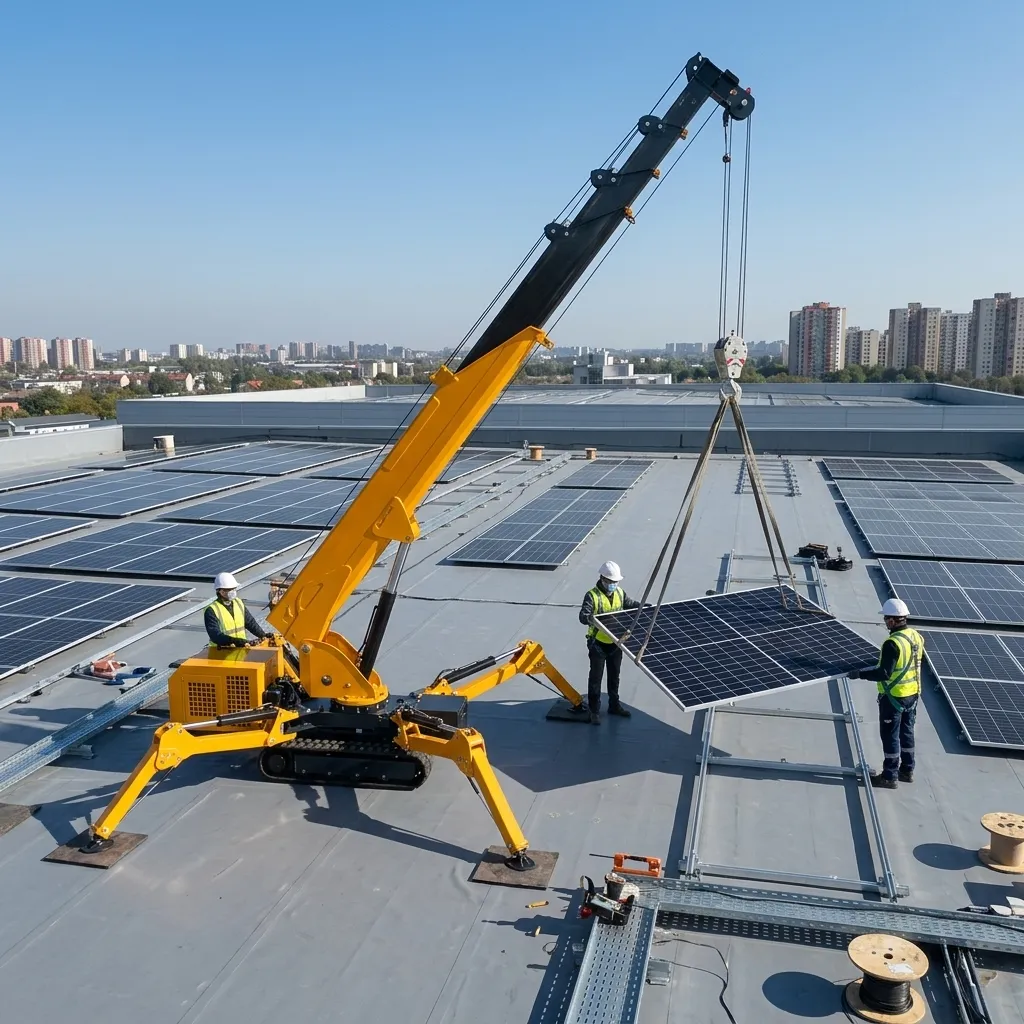 Spider Crane for Solar Panel Installation: Rooftop Lifting
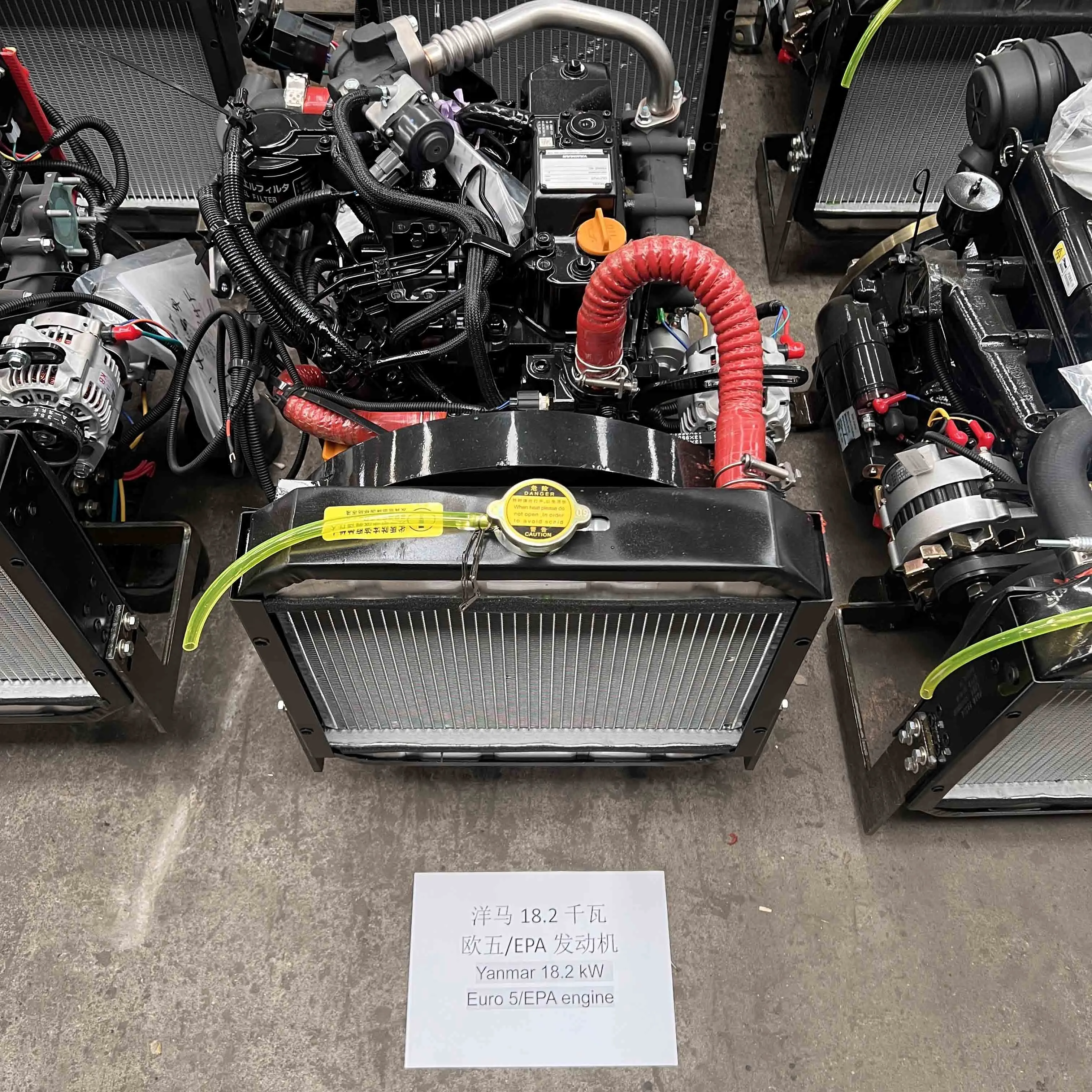 Spider Crane Common Faults & Troubleshooting Guide for M
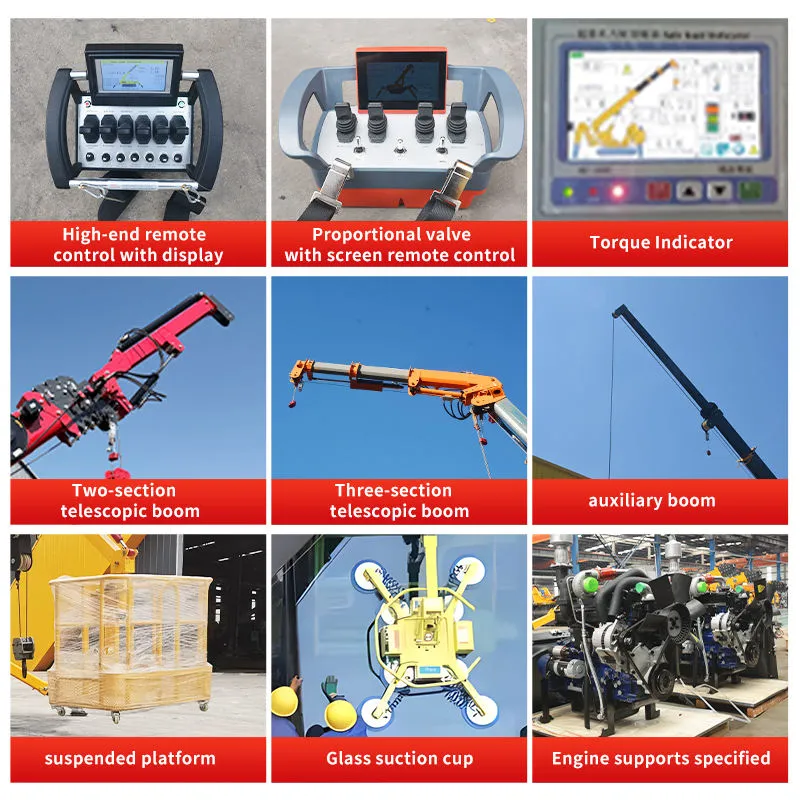 How to Choose Spider Crane Optional Attachments (Full Guide)
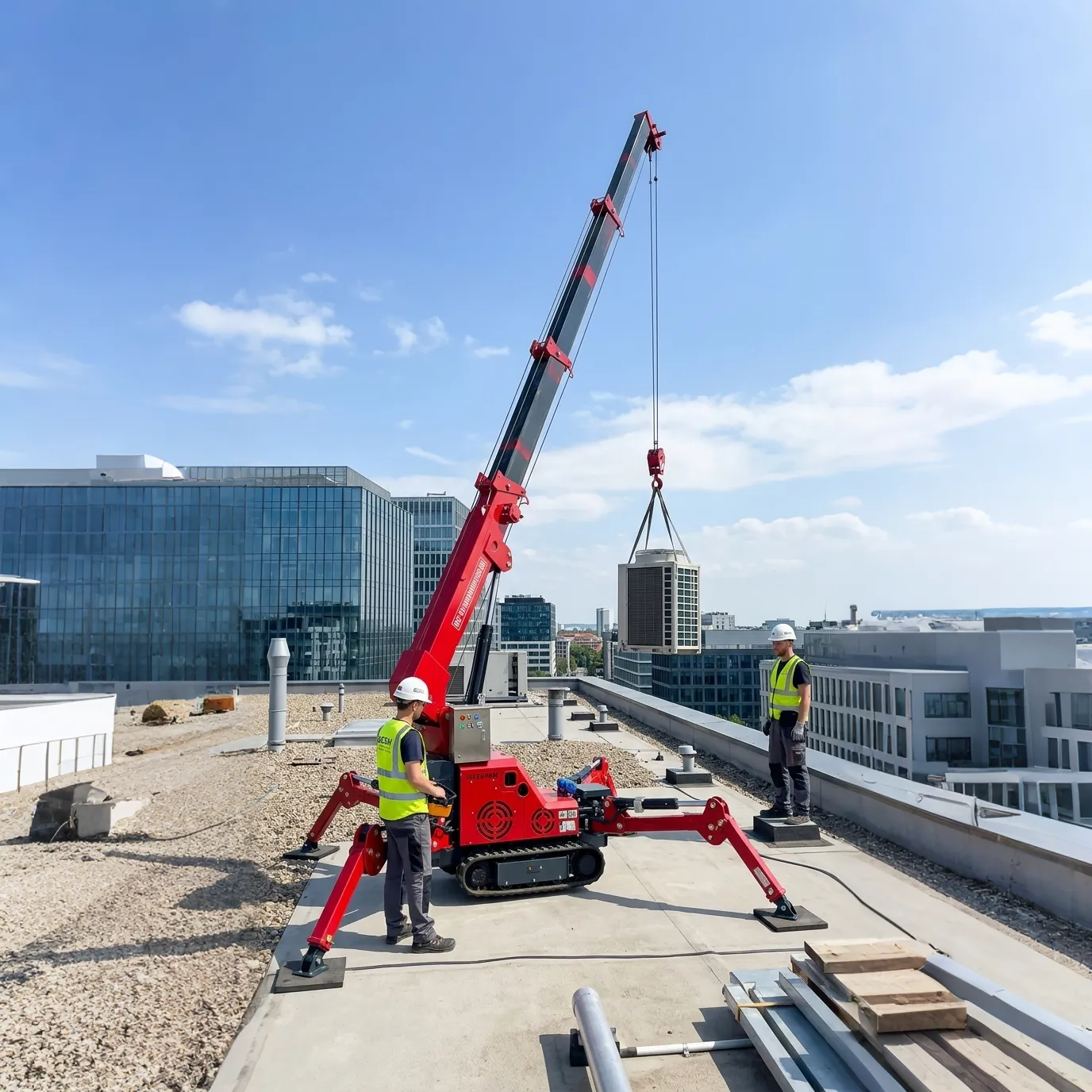 How to Lift an HVAC Unit to a Roof with a Spider Crane